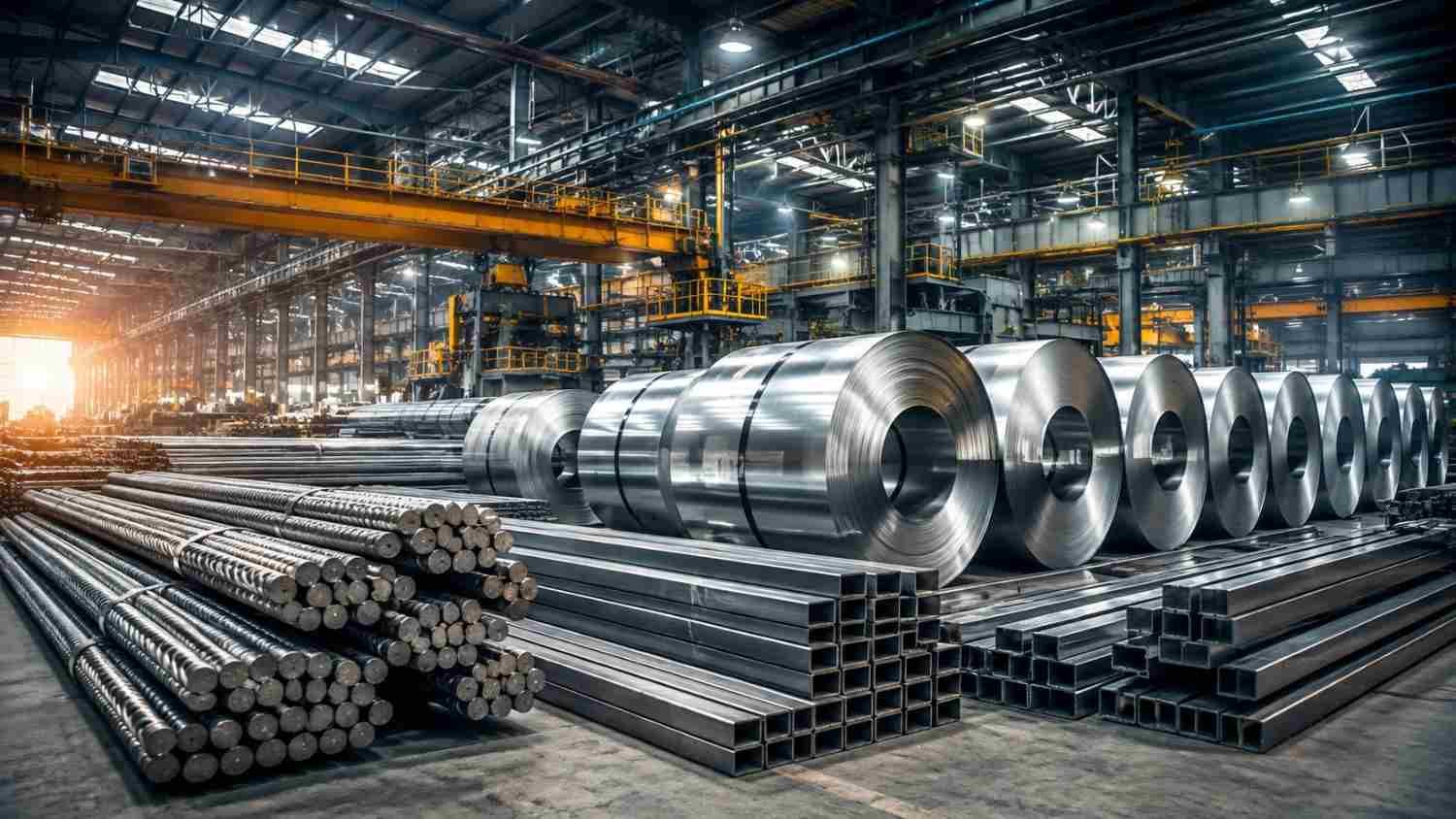
India’s infrastructure story is being built with steel—from bridges and industrial facilities to residential buildings, engineering projects, transportation networks, and manufacturing units. Behind this growth is a strong ecosystem of manufacturers capable of producing quality steel while meeting demanding requirements for consistency, durability, and timely supply. Choosing a reliable Leading Steel Manufacturer & Exporter in India can therefore make an important difference to project quality, procurement efficiency, and long-term performance.
As India’s construction and manufacturing sectors continue to expand, businesses increasingly look beyond price when selecting steel suppliers. Product quality, manufacturing capabilities, technical expertise, supply reliability, compliance, and export readiness have all become important considerations.
Why Choosing a Leading Steel Manufacturer & Exporter in India Matters
Steel is not simply another construction material. Its strength, durability, flexibility, and ability to withstand demanding conditions make it essential across multiple industries.
A dependable steel manufacturer contributes value at several stages of the supply chain. From sourcing and processing raw materials to manufacturing, quality inspection, packaging, and delivery, every stage can influence the final product.
For buyers, working with an established manufacturer can provide several advantages:
- Consistent product quality and specifications
- Reliable production capacity
- Better control over manufacturing processes
- Technical knowledge and industry experience
- More dependable delivery schedules
- Support for domestic and international requirements
- Greater confidence in long-term procurement
This becomes particularly important for businesses handling large infrastructure, engineering, fabrication, or industrial projects where inconsistent material quality can create delays and additional costs.
Understanding the Role of a Leading Steel Manufacturing Company in India
A modern steel manufacturing company does much more than produce metal products. It operates as part of a larger industrial ecosystem involving raw materials, manufacturing technology, quality control, logistics, engineering, and customer requirements.
Manufacturers need to understand the intended application of steel because different projects can require different grades, dimensions, mechanical properties, and finishing requirements.
Manufacturing Quality Begins with Process Control
Quality starts with controlled manufacturing processes. Factors such as material composition, temperature management, forming, treatment, dimensional accuracy, and inspection can influence the final characteristics of steel.
A professional manufacturer therefore needs systematic quality-control procedures rather than relying only on final-stage inspection.
Technical Expertise Supports Better Procurement
Customers may know the dimensions or quantity they need but may not always know which specifications are most appropriate for their application. Experienced steel manufacturers can help buyers understand product characteristics and make more informed procurement decisions.
This technical relationship is particularly useful for engineering companies, infrastructure contractors, fabricators, distributors, and industrial buyers.
Why West Bengal Has an Important Position in India’s Steel Industry
West Bengal has a long association with India’s industrial development. Its location, transportation connectivity, engineering ecosystem, access to major commercial centres, and historical industrial base make it an important region for manufacturing and trade.
A Leading Steel Manufacturing Company in West Bengal can serve customers across different industrial segments while benefiting from the region’s broader manufacturing and logistics ecosystem.
West Bengal’s proximity to eastern and northeastern markets can also create opportunities for efficient distribution. For companies involved in domestic supply as well as international trade, location can influence transportation planning, lead times, and overall supply-chain efficiency.
What Should Buyers Look for in a Steel Manufacturer?
Selecting a steel supplier should involve more than comparing quotations. A lower initial price does not necessarily represent better overall value if quality inconsistencies, delayed deliveries, or inadequate technical support create problems later.
1. Manufacturing Capability
Buyers should evaluate whether the manufacturer has suitable production capabilities for their required products, specifications, quantities, and applications.
2. Quality Assurance
A trustworthy supplier should demonstrate a structured approach to quality management. Documentation, testing procedures, inspection practices, and traceability can help buyers assess reliability.
3. Industry Experience
Experience matters because steel requirements vary considerably between construction, engineering, fabrication, infrastructure, automotive, and other industrial applications.
4. Supply Reliability
For large projects, material availability and delivery schedules can directly affect project timelines. A reliable manufacturing partner should have appropriate production and logistics planning.
5. Export Readiness
International customers may have specific documentation, packaging, dimensional, testing, and shipping requirements. An experienced exporter should understand these requirements and coordinate the supply process effectively.
Steel Industry Company: Beyond Manufacturing to Supply-Chain Reliability
The modern steel sector is increasingly connected to global supply chains. Customers expect manufacturers to provide not only products but also dependable communication, documentation, quality information, and delivery coordination.
A strong steel industry company understands that customer experience continues after production. Proper packaging can protect products during transportation, while accurate documentation can simplify receiving and inspection processes.
For international buyers, effective export coordination becomes especially important. Shipping schedules, port operations, customs documentation, packaging standards, and destination-specific requirements all need careful attention.
How Steel Supports Key Industrial Sectors
Steel’s versatility explains its importance across India’s economy.
Construction and Infrastructure
Steel is widely used in structural applications, buildings, bridges, industrial facilities, warehouses, and infrastructure projects because of its strength and engineering flexibility.
Engineering and Fabrication
Engineering and fabrication companies depend on steel for components, structures, machinery-related applications, and customized industrial solutions.
Manufacturing
From equipment and industrial systems to components and supporting structures, steel remains an important material for manufacturing businesses.
Transportation and Logistics
Steel’s combination of strength and durability makes it valuable across transportation-related infrastructure and industrial applications.
The right material selection should always be based on the specific engineering requirements of the application rather than simply choosing the cheapest available option.
The Importance of Trust and Transparency in Steel Procurement
Industrial procurement often involves significant quantities and long-term relationships. Buyers need confidence that the supplier can consistently meet agreed requirements.
A credible manufacturer should communicate clearly about product specifications, manufacturing capabilities, quality procedures, delivery expectations, and customer requirements. Transparent communication helps buyers make informed decisions and reduces uncertainty.
Organizations evaluating suppliers can also refer to authoritative industry information from India’s Ministry of Steel to understand the broader structure and development of the country’s steel sector.
Building a Long-Term Partnership with the Right Manufacturer
The best supplier relationship is not necessarily based on a single transaction. Long-term partnerships can help businesses improve procurement planning, maintain consistent material quality, and streamline repeat orders.
Before selecting a manufacturer, buyers should consider:
- What products and specifications are available?
- Can the supplier handle the required order volume?
- What quality-control systems are followed?
- Does the manufacturer support domestic and export requirements?
- How clearly are technical specifications communicated?
- What is the expected delivery process?
- Can the supplier support future requirements as the business grows?
These questions can help companies distinguish between a basic supplier and a manufacturing partner capable of supporting long-term industrial requirements.
Choosing a Leading Steel Manufacturer & Exporter in India
India’s expanding infrastructure, construction, engineering, and manufacturing sectors continue to create strong demand for dependable steel products. In this environment, choosing a Steel Industry Company is about more than finding a competitive price. It is about finding a partner that combines manufacturing expertise, consistent quality, technical understanding, dependable supply, and customer-focused service.
For businesses sourcing steel for domestic projects or international requirements, evaluating the manufacturer’s capabilities, quality practices, experience, and export readiness can lead to better procurement decisions.
A reliable Leading Steel Manufacturer & Exporter in India can become an important part of a company’s supply chain—helping businesses build stronger projects, manage material requirements efficiently, and plan for sustainable industrial growth.