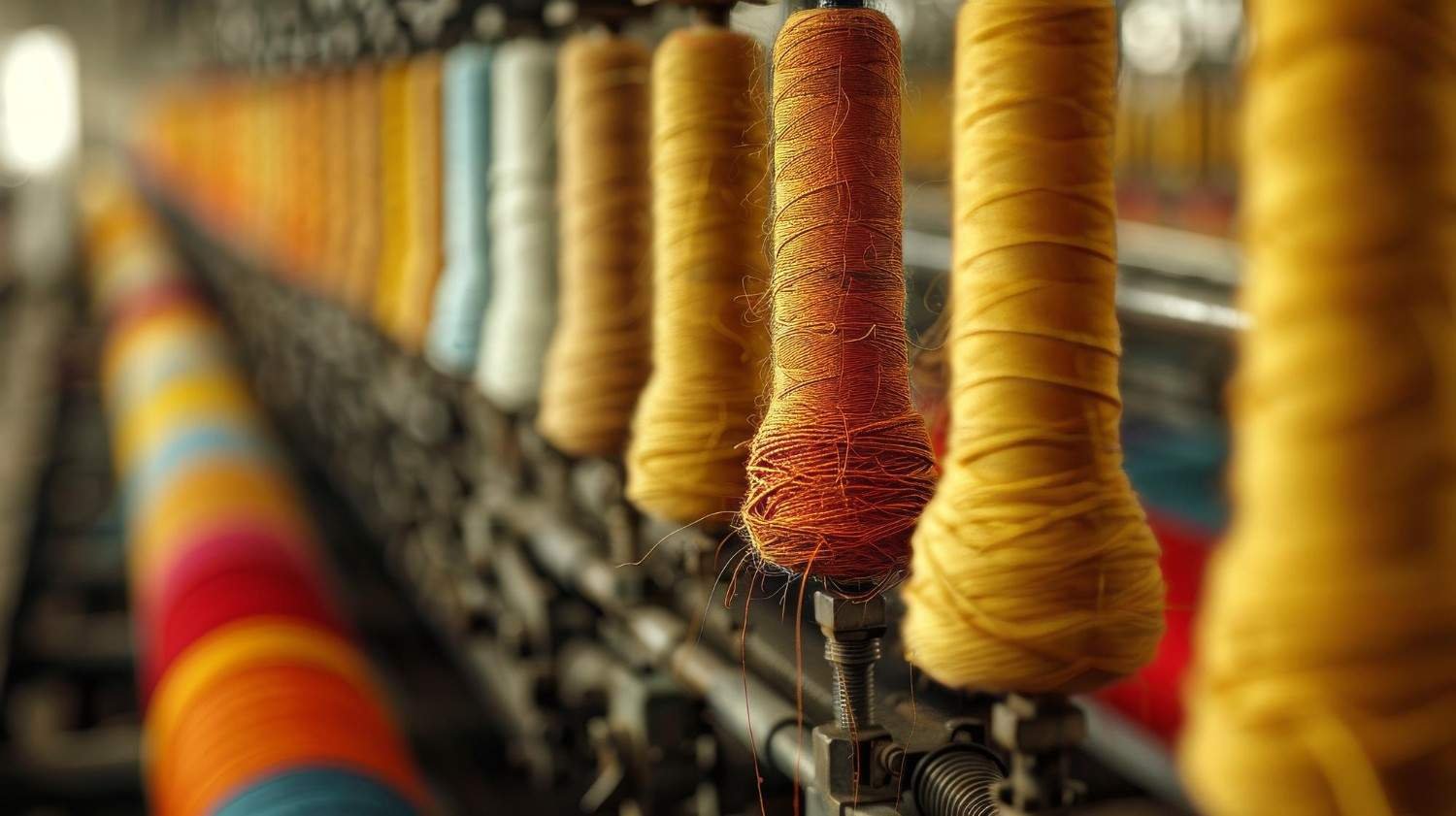
When a high-tensile industrial filter holds firm under immense hydraulic pressure, or a commercial agricultural shade net withstands relentless monsoon winds, credit rarely goes to the raw material. Yet, behind these heavy-duty applications lies a precise polymer engineering feat: the single-strand synthetic fiber. Unlike spun threads created by twisting multiple short fibers together, continuous single-strand extrusions provide uniform diameter, incredible tensile resilience, and exceptional abrasion resistance. For technical textile mills, global net weavers, and industrial purchasing managers, securing high-grade raw materials from established Monofilament yarn manufacturers and suppliers in India has become an essential strategy for ensuring uninterrupted production and long-term product integrity.
Selecting the right industrial filament directly impacts factory productivity and final product lifespans. Unstable yarn gauges lead to frequent loom stoppages, snapped needles, and irregular weave densities that fail stringent quality checks. By partnering with specialist extrusion producers who maintain micro-level diameter control, technical weavers protect their machinery, lower material scrap rates, and maintain a competitive edge in international markets.
The Technical Science Behind Precision Extrusion
Creating high-performance single-strand yarn requires an exacting melt-extrusion process. Because a single strand carries the entire structural load, thermal parameters and draw ratios must stay completely consistent across millions of continuous meters.
Producing top-tier monofilament demands pure resin chip selection, precise melt temperatures, and multi-stage orientation drawing. Modern extrusion lines use real-time laser sensors to monitor strand thickness down to the micron. Any thickness fluctuation causes uneven tension during high-speed warping, resulting in broken loom components and inconsistent mesh spacing.
Essential Industrial Applications for Single-Strand Yarns
Engineered synthetic strands serve diverse industrial sectors, with each application demanding specific physical, thermal, and chemical capabilities.
Agricultural Mesh and Horticulture Screens
Shade cloths, hail protection screens, and greenhouse crop support lines depend on high-tenacity polyethylene and polypropylene filaments. Custom UV-stabilizer packages prevent solar breakdown, keeping agricultural screens flexible and strong through years of direct sunlight.
Liquid and Gas Industrial Filtration
Woven filter screens used in chemical processing, municipal water treatment, and pharmaceutical manufacturing require exact pore dimensions. Sourcing consistent materials from reliable Monofilament yarn manufacturers and suppliers in India ensures uniform strand gauges, guaranteeing predictable flow rates and reliable particle separation.
Marine Gear and Commercial Aquaculture
Deep-sea fishing nets, longlines, and fish-farming cages require high knot strength, low water absorption, and superior resistance to salt water and marine abrasion. Single-strand synthetic fibers withstand rough ocean currents and heavy loads without fraying.
Fastener Coils and Technical Fabrics
Coil zippers for outerwear, luggage, and industrial tents utilize high-tenacity polyester filaments to form interlocking teeth. Uniform strand dimensions ensure smooth slider movement and reliable closure under heavy lateral tension.
Strategic Advantages of Sourcing Indian Technical Yarns
Partnering with established Indian extrusion specialists offers distinct operational advantages for global industrial buyers. A comprehensive supply chain analysis published by Entrepreneur emphasizes that optimizing raw material consistency directly cuts manufacturing downtime by over 30%, protecting profit margins and accelerating delivery schedules.
Working with a dedicated extrusion partner provides key business benefits:
- Minimized Factory Waste: Uniform strand dimensions eliminate snagging and snapping in high-speed looms, maximizing daily production output.
- Custom Mechanical Formulations: Buyers can request specific deniers, custom color shades, precise tensile strengths, and specialized performance additives.
- Reliable Supply Chain Lead Times: Direct sourcing reduces international shipping delays, customs holds, and currency risks, helping maintain steady production schedules.
Overcoming Production Bottlenecks in Weaving Facilities
Cutting costs by purchasing unverified, low-grade synthetic yarns often leads to higher overall expenses. Irregular strand diameters trigger tension spikes during warping, resulting in broken needles, misaligned mesh gaps, and expensive machine downtime.
Collaborating with a dedicated extrusion manufacturer solves these operational challenges. By utilizing high-purity resin formulations, advanced thermal stretch systems, and automated laser gauge controls, experienced suppliers deliver consistent yarn spools ready for immediate loading. This reliability allows facility managers to run equipment continuously, hit tight delivery windows, and reduce material waste.
Technical Innovations Reshaping Synthetic Extrusion
The industrial yarn sector continues to advance alongside new sustainability goals and technological breakthroughs:
- Recycled Polymer Formulations: Leading extruders produce post-consumer recycled polyester (rPET) and polypropylene filaments, allowing brands to meet eco-friendly goals without sacrificing tensile strength.
- Real-Time Automated Gauge Tracking: Advanced laser measuring tools monitor strand thickness continuously during extrusion, making micro-adjustments instantly to preserve tight tolerances.
- Advanced Flame-Retardant and Anti-Static Additives: Specialized chemical blends protect synthetic fibers from solar breakdown while meeting strict industrial fire safety standards.
Frequently Asked Questions
Which polymers are most commonly used for monofilament yarn production?
The most popular choices are Polypropylene (PP), Polyethylene (PE), Polyester (PET), and Nylon (PA). Polyester offers superior UV and thermal stability, nylon provides excellent elasticity, and polyethylene excels in outdoor weather resistance.
How does strand gauge consistency affect high-speed weaving?
Consistent strand thickness ensures even tension across the entire loom setup. Diameter variations create tension spikes that snap yarn, jam needles, and cause irregular mesh spacing in technical fabrics.
Can custom UV inhibitors be added during extrusion?
Yes, high-performance monofilament yarns can be blended with specialized UV-inhibitor masterbatches during thermal processing. This step protects outdoor netting, shade screens, and marine lines from solar damage.
What is the main difference between monofilament and multifilament yarn?
Monofilament consists of a single, continuous synthetic strand, providing high stiffness, abrasion resistance, and structural stability. Multifilament is made by twisting multiple fine fibers together, yielding a softer, more pliable thread.
Are eco-friendly recycled options available for technical yarns?
Yes, leading suppliers produce monofilament yarns using recycled post-consumer PET resins. These eco-friendly options deliver the same tensile strength and color uniformity as virgin polymer strands.
Elevate Your Industrial Weaving Operations Today
Manufacturing durable, high-performance technical textiles begins with engineered raw materials. By choosing single-strand synthetic yarns produced to precise mechanical tolerances, industrial manufacturers ensure smooth loom performance, superior structural strength, and lasting product quality.